

Understanding the psychological impacts of gambling on decision-making processes
The Nature of Gambling and Decision-Making
Gambling is an activity that involves risking money or valuables on uncertain outcomes, typically in games of chance. The decision-making process in gambling is complex, influenced by both rational and emotional factors. Gamblers often face the challenge of weighing potential losses against the lure of possible winnings, a balancing act that can lead to cognitive dissonance and irrational choices. This psychological tug-of-war significantly affects how individuals approach their bets, often leading to decisions that may not align with their financial interests. Moreover, players can explore various gaming options, including monacojack.uk, which enhances their experience.
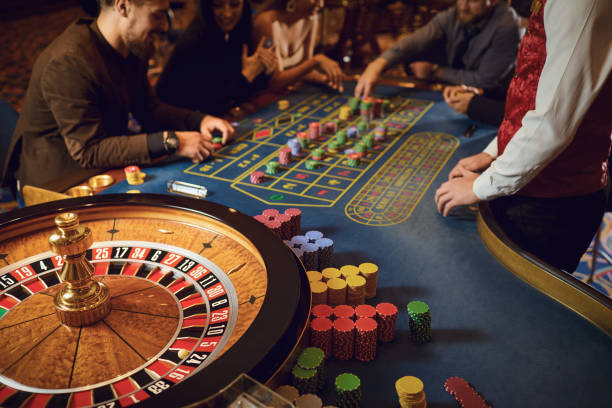
One key aspect of decision-making in gambling is the concept of perceived control. Many gamblers believe they can influence the outcome through skill or strategy, even in games that are purely luck-based. This illusion of control can lead to increased risk-taking behavior. For instance, a player might continue to gamble despite a series of losses, convinced that a win is imminent. This mindset not only impacts their immediate choices but can also have long-term repercussions on their financial health and well-being.
Addiction is another psychological factor that heavily influences decision-making in gambling. When individuals become addicted, their ability to make rational choices diminishes, and they often prioritize gambling over other important aspects of life. This compulsion can lead to a cycle of chasing losses, where the gambler continues to bet in the hope of recovering lost money, further entrenching their addictive behavior. The interplay of addiction and decision-making illustrates the profound psychological impacts gambling can have on an individual’s life.
Cognitive Biases in Gambling Decisions
Cognitive biases are systematic patterns of deviation from norm or rationality in judgment, which can heavily influence gambling decisions. One common bias is the „gambler’s fallacy,“ where individuals believe that past outcomes affect future probabilities. For example, if a player has witnessed several losses in a row, they might feel that a win is „due“ and increase their bets, even though each game is independent of previous results. This misconception can lead to poor financial choices, as it distorts their perception of risk and reward.
Another prevalent cognitive bias in gambling is confirmation bias, where individuals seek out information that supports their existing beliefs. A gambler convinced that they have a lucky streak may selectively remember their wins while disregarding their losses. This skewed perception reinforces their decision to continue gambling, even as their financial situation worsens. Such biases highlight how psychological factors can cloud judgment and lead to repeated mistakes in decision-making processes.
The impact of cognitive biases on gambling decisions underscores the importance of self-awareness and critical thinking. Understanding these biases can help gamblers recognize when their decisions are being influenced by irrational thoughts. By fostering a more analytical approach to gambling, individuals may be able to mitigate some of the negative psychological impacts and make more informed choices that align with their overall goals and well-being.
The Role of Emotions in Gambling Choices
Emotions play a critical role in decision-making processes related to gambling. Many individuals gamble to experience excitement and thrill, which can lead to impulsive decisions driven by strong feelings. The rush of winning can create a powerful emotional high, reinforcing the behavior and encouraging further gambling. Conversely, feelings of frustration or anger from losses can lead to reckless decisions, as individuals may try to chase their losses in an attempt to regain a sense of control or satisfaction.
Moreover, emotions like anxiety and depression can significantly affect a gambler’s decisions. Those experiencing high levels of stress may gamble as a form of escapism, which can create a cycle of poor decision-making. In such cases, gambling becomes a means to cope, further impairing their ability to make rational choices. Understanding the interplay between emotions and decision-making in gambling can provide insight into why some individuals struggle to break free from harmful patterns.
The interplay between emotions and cognitive processes can compound the negative impacts of gambling on decision-making. Individuals often find it challenging to balance their emotional responses with logical reasoning. This dissonance can lead to decisions that do not reflect their true financial interests, which can be detrimental in the long run. Recognizing the emotional aspects of gambling can be an essential step toward healthier decision-making practices.
The Social Influences on Gambling Decisions
Social factors can greatly influence an individual’s gambling decisions. Peer pressure often leads individuals to gamble more than they might typically choose, with social gatherings and celebrations frequently centered around gaming activities. The desire to fit in or gain approval from friends can drive individuals to take risks that they would otherwise avoid, leading to poor financial decisions and an increased likelihood of developing gambling problems.
Additionally, the portrayal of gambling in media and pop culture can shape perceptions and attitudes towards gambling. Movies and television often glamorize gambling, showcasing big wins and high-stakes games, which can create unrealistic expectations. These depictions may lead individuals to view gambling as a viable way to achieve wealth or status, further impacting their decision-making processes and potentially leading to irresponsible behavior.
The social environment surrounding gambling can also normalize the behavior, making it seem more acceptable or even desirable. This normalization can lead individuals to underestimate the risks involved, leading to poor choices. By understanding the social dynamics of gambling, individuals can gain insights into their own behaviors and motivations, enabling them to make more informed decisions.

Conclusion: The Psychological Landscape of Gambling
In conclusion, the psychological impacts of gambling on decision-making processes are profound and multifaceted. The interplay of cognitive biases, emotions, and social influences creates a complex landscape that can lead individuals to make irrational choices. Understanding these psychological factors is crucial for anyone engaged in gambling, as awareness can lead to better decision-making and the avoidance of destructive patterns.
For those who enjoy gambling, platforms like MonacoJack Casino offer a range of options while emphasizing player security and responsible gaming. By understanding the psychological impacts of gambling, players can engage in a more balanced manner, making informed choices that enhance their gaming experience without compromising their financial stability. The emphasis on self-awareness and responsible decision-making is essential in navigating the enticing world of gambling while maintaining control over one’s choices.